


How to Identify Genuine Listings Easily
Online marketplaces have made buying and selling incredibly convenient. With just a few clicks, people can find cars, electronics, homes, services, and many other products near them. However, this convenience also comes with risks.
Not every listing you see online is trustworthy. Some listings are incomplete, misleading, or even fraudulent. That is why learning how to identify genuine listings easily has become an essential skill for online buyers.
Most scams do not appear obvious at first. They often look convincing because they include attractive pricing, professional photos, and urgent offers. Many buyers only realize something is wrong after they have already invested time or money.
Understanding how genuine listings work can help you avoid these problems. When you know what signs to check, it becomes much easier to identify reliable sellers and trustworthy listings.
In this guide, we will explore practical ways to verify listings, recognize warning signals, and make safer purchasing decisions online.
Understanding What Makes a Listing Genuine

Before learning how to spot suspicious listings, it is helpful to understand what genuine listings usually look like.
A genuine listing is transparent, detailed, and realistic. The seller clearly describes the product or service and provides useful information that helps buyers make decisions.
Authentic listings usually include accurate descriptions, clear photos, and reasonable pricing. They also allow buyers to ask questions and communicate directly with the seller.
When you understand these characteristics, it becomes easier to identify genuine listings easily while avoiding unreliable offers.
Check the Completeness of the Listing
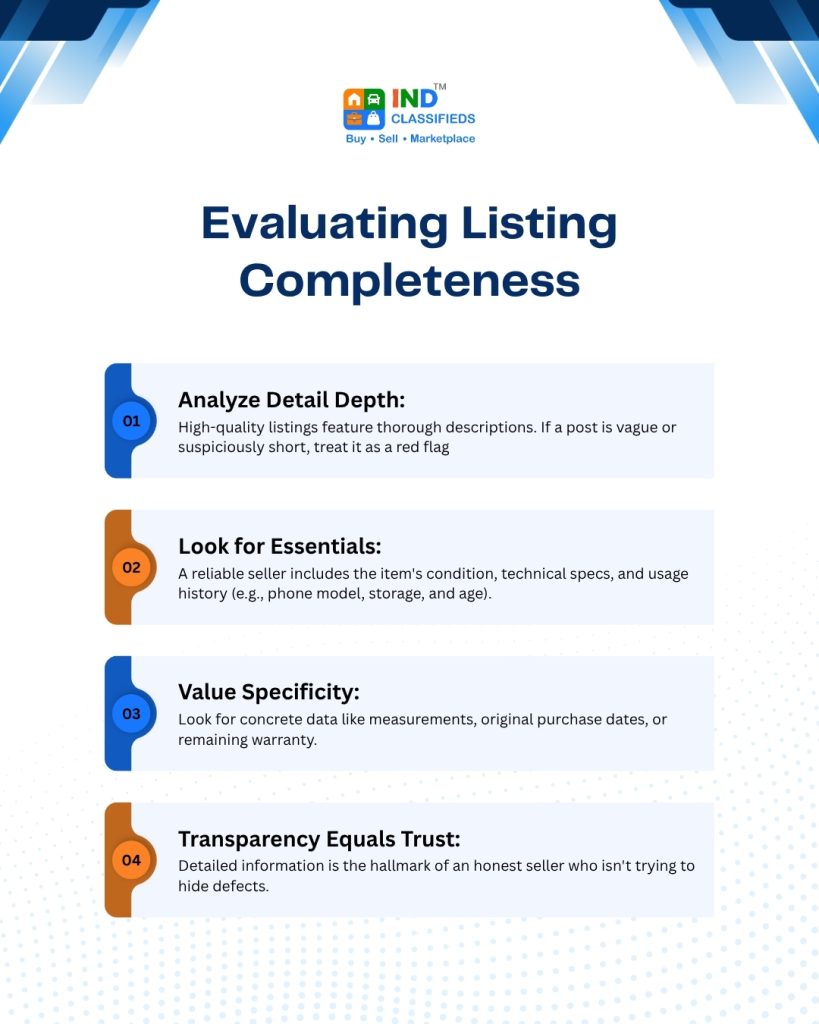
One of the simplest ways to evaluate a listing is to examine how complete the information is. Genuine sellers usually provide detailed descriptions because they want buyers to understand exactly what they are offering.
A listing with missing details should raise questions. When descriptions are vague or extremely short, buyers do not receive enough information to make confident decisions.
Look for Detailed Product Descriptions
A reliable listing explains the condition, specifications, and usage history of the product.
For example, if someone is selling a mobile phone, the listing should mention the model, storage capacity, age of the device, and any visible damage.
Clear descriptions help buyers identify genuine listings easily because honest sellers usually provide transparent information.
Check for Specific Details
Specific details often indicate authenticity. Sellers who include measurements, purchase dates, or warranty information usually have nothing to hide.
Generic phrases like “excellent condition” without explanation may signal that the seller is avoiding important details.
Evaluate Listing Photos Carefully
Photos play a major role in identifying trustworthy listings.
High-quality photos can show the real condition of a product. At the same time, photos can also reveal whether the seller actually owns the item.
When learning how to identify genuine listings easily, examining photos carefully is extremely important.
Look for Real Photos Instead of Stock Images
Authentic listings usually contain original photos taken by the seller. These images often include natural lighting and real backgrounds.
Stock images or overly polished promotional pictures may indicate that the seller does not actually possess the product.
Check for Multiple Angles
A genuine seller usually uploads multiple photos from different angles. This helps buyers inspect the item more closely.
If only one photo is available, especially a low-quality one, it may be difficult to verify the authenticity of the listing.
Compare the Price With Market Value
Pricing is one of the strongest indicators of authenticity.
When a listing price seems too good to be true, it often is. Extremely low prices are commonly used to attract attention quickly.
Understanding typical market pricing can help buyers identify genuine listings easily.
Compare similar listings in the same category. If the price is drastically lower than others, it could indicate a misleading or suspicious listing.
Reasonable pricing generally reflects a legitimate offer.
Review Seller Information
A trustworthy seller usually provides basic information about themselves. This may include their location, contact options, or previous activity on the platform.
Checking seller details can help buyers verify whether the listing comes from a credible source.
Reliable sellers are often willing to communicate openly and answer questions. Transparent communication is one of the strongest signals of authenticity.
Communicate With the Seller Before Deciding
Communication can reveal a lot about the authenticity of a listing.
Before making any purchase decision, ask the seller a few practical questions about the product.
Honest sellers usually respond clearly and provide additional details when requested.
Secondary keyword: online marketplace safety
When practicing online marketplace safety, communication becomes an essential verification step.
Ask questions about product condition, availability, or usage history. If the seller avoids answering or provides unclear responses, it may indicate a problem.
Watch for Common Warning Signs
Certain warning signals often appear in suspicious listings. Recognizing these signs can help buyers avoid potential scams.
Some listings may create urgency by saying the item must be sold immediately or that many buyers are already interested.
While urgency can sometimes be genuine, it is also a common tactic used to pressure buyers into quick decisions.
Secondary keyword: safe online buying tips
Following safe online buying tips can help you remain cautious when encountering such situations.
Another warning sign is a seller requesting advance payment without providing enough verification.
When these signals appear together, it becomes harder to trust the listing.
Use Trusted Platforms With Verification Systems
Some online platforms offer verification features that improve trust and transparency.
These platforms may verify seller identities, monitor suspicious activity, or allow buyers to report misleading listings.
Choosing reliable platforms increases the likelihood of encountering genuine sellers.
Secondary keyword: classified marketplace trust
Platforms that prioritize classified marketplace trust often provide tools that help users identify genuine listings easily.
These systems help maintain safer environments for buyers and sellers alike.
Take Your Time Before Finalizing a Purchase
One of the most important habits when shopping online is patience.
Scammers often rely on pressure and urgency to influence decisions. Genuine sellers rarely force buyers to act immediately.
Taking time to review details, compare listings, and verify seller information can prevent costly mistakes.
Careful evaluation ensures that you identify genuine listings easily while avoiding unnecessary risks.
Conclusion
Online marketplaces have transformed the way people buy and sell products. They offer convenience, variety, and access to local opportunities.
However, the growing popularity of online platforms also means buyers must be more careful. Knowing how to identify genuine listings easily can protect you from misleading offers and potential scams.
By checking listing details, evaluating photos, comparing prices, and communicating with sellers, buyers can make more confident decisions.
Simple habits like verifying information and staying patient can significantly improve online marketplace safety.
When you approach online listings with awareness and careful evaluation, finding trustworthy deals becomes much easier and far more rewarding.


